

5.9 KiB
5.9 KiB
| title | date | tags | categories | |||
|---|---|---|---|---|---|---|
| Three.js初见(2) | 2022-04-10 22:02:34 |
|
|
自定义几何体
Three.js当中的几何体都是由若干个三角形构成的 哪怕是球形、圆柱形这些立体图形,也不存在真正的曲面,只不过这些三角形越是细小,拼凑起来越接近曲面的效果
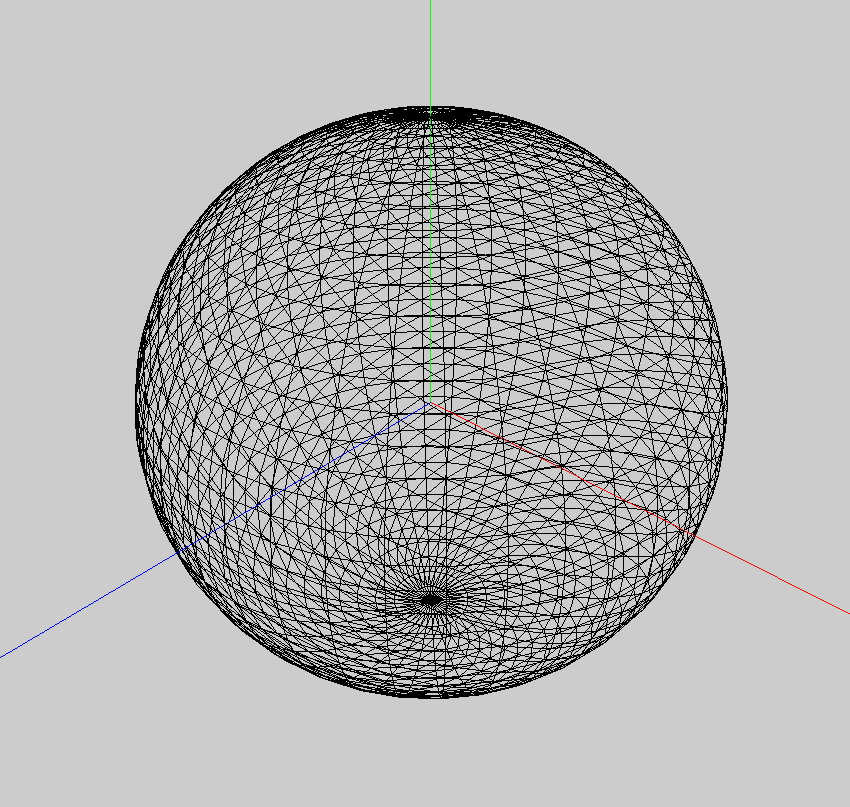
基于这种方式,我们可以构造自定义的图形
需要使用类型化数组TypedArray
const geometry = new THREE.BufferGeometry(); //创建一个Buffer类型几何体对象
// 类型数组创建顶点数据
const vertices = new Uint8Array([
  0, 0, 0, // 顶点1坐标
  10, 0, 0, // 顶点2坐标
  0, 20, 0, // 顶点3坐标
  0, 0, 10, // 顶点4坐标
  0, 0, 1, // 顶点5坐标
  20, 0, 1, // 顶点6坐标
])
// 创建属性缓冲区对象
const attribue = new THREE.BufferAttribute(vertices, 3) // 3个为一组,表示一个顶点的xyz坐标
// 设置几何体的位置属性
geometry.setAttribute('position', attribue)
// 三角面(网格)渲染模式
const material = new THREE.MeshBasicMaterial({
  color: 0x0000ff, // 三角面颜色
  side: THREE.DoubleSide // 两面可见
})
const mesh = new THREE.Mesh(geometry, material)
scene.add(mesh)
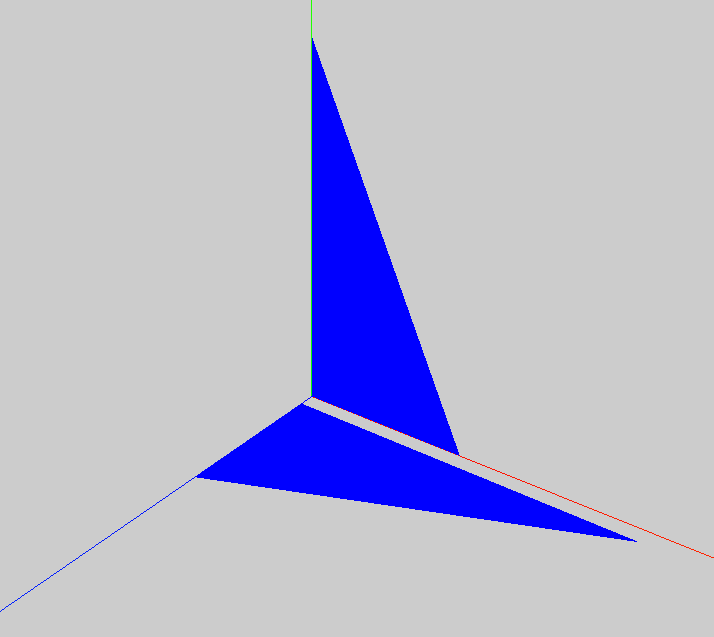
上面的代码中使用的是Uint8Array, 实际上可以使用任何一种类型数组
点材质和线材质
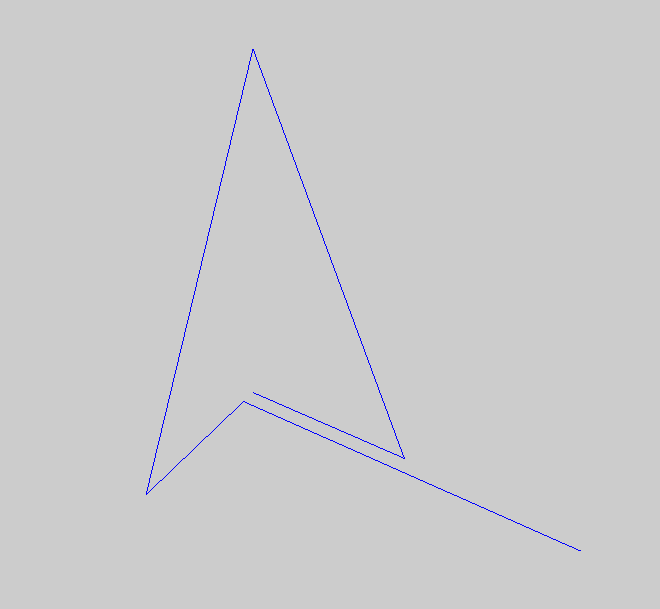
上面的例子当中使用的是网格材质 threejs还提供了点材质和线材质
// 点材质
const material = new THREE.PointsMaterial({
  color: 0x0000ff,
  size: 2
})
const points = new THREE.Points(geometry, material)
scene.add(points)

// 线材质
const material = new THREE.LineBasicMaterial({
  color: 0x0000ff // 线条颜色
})
const line = new THREE.Line(geometry, material) // 线条模型对象
scene.add(line) // 线条对象添加到场景中
设置每个顶点的颜色
const geometry = new THREE.BufferGeometry(); //创建一个Buffer类型几何体对象
// 类型数组创建顶点数据
const vertices = new Uint8Array([
  0, 0, 0, // 顶点1坐标
  10, 0, 0, // 顶点2坐标
  0, 20, 0, // 顶点3坐标
  0, 0, 10, // 顶点4坐标
  0, 0, 1, // 顶点5坐标
  20, 0, 1, // 顶点6坐标
])
// 创建属性缓冲区对象
const attribue = new THREE.BufferAttribute(vertices, 3) // 3个为一组,表示一个顶点的xyz坐标
// 设置几何体的位置属性
geometry.setAttribute('position', attribue)

// 点材质
const material = new THREE.PointsMaterial({
  // color: 0x0000ff,
  vertexColors: THREE.VertexColors, //以顶点颜色为准
  size: 2
})
const pointColors = new Uint8Array([
  1, 0, 0, //顶点1颜色
  0, 1, 0, //顶点2颜色
  0, 0, 1, //顶点3颜色
  1, 1, 0, //顶点4颜色
  0, 1, 1, //顶点5颜色
  1, 0, 1, //顶点6颜色
])
geometry.attributes.color = new THREE.BufferAttribute(pointColors, 3) // 3个为一组代表一个顶点的RGB值
const points = new THREE.Points(geometry, material)
scene.add(points)

这个例子当中与上面的区别除了指定每个顶点的颜色之外
还需要给材质的vertexColors设置为THREE.VertexColors
该属性的默认值是THREE.NoColors, 意思就是模型的颜色取决于材质的color
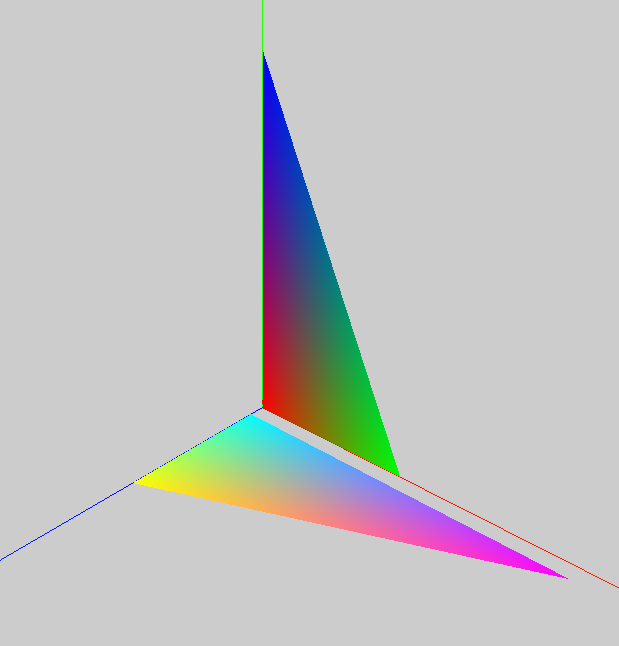
如果把上述的方式使用到三角面材质上
可以得到渐变色的面
顶点坐标复用
由于threejs当中的图形都是由若干个三角形拼接而成 所以实际应用当中, 肯定是多个相邻三角形的顶点重合 如果每个三角形都要分别指定3个顶点的坐标, 数据肯定是非常冗余的 所以可以进行顶点坐标的复用 同时也不受限于坐标定义的顺序
const geometry = new THREE.BufferGeometry(); //创建一个Buffer类型几何体对象
// 类型数组创建顶点数据
const vertices = new Int8Array([
  0, 0, 0,
  10, 0, 0,
  10, 10, 0,
  0, 10, 0,
  -10, 10, 0,
  -10, 0, 0,
])
// 创建属性缓冲区对象
const attribue = new THREE.BufferAttribute(vertices, 3) // 3个为一组,表示一个顶点的xyz坐标
// 设置几何体的位置属性
geometry.setAttribute('position', attribue)
// Uint16Array类型数组创建顶点索引数据
const indexes = new Uint8Array([
  // 0对应第1个顶点
  // 索引值3个为一组,表示一个三角形的3个顶点
  0, 1, 2,
  0, 2, 3,
  0, 3, 4,
  0, 4, 5,
])
// 索引数据赋值给几何体的index属性
geometry.index = new THREE.BufferAttribute(indexes, 1) //1个为一组
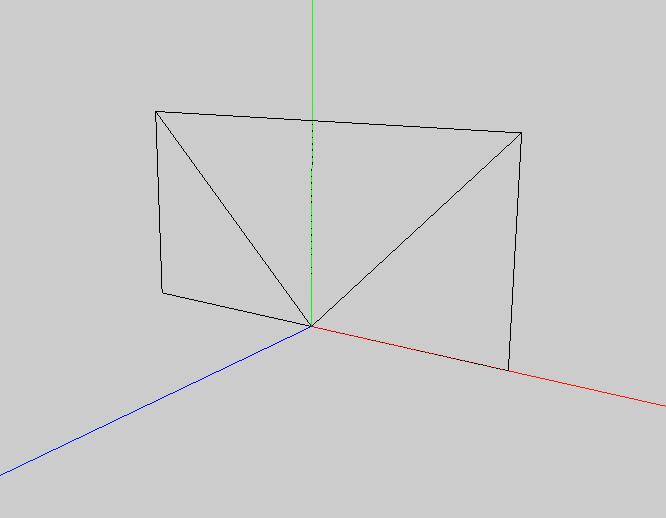
Vector3和Color
除了使用BufferGeometry之外, 我们也可以使用Vector3和Color来创建自定义几何体
它们是基于Geometry这个API进行使用的
Threejs渲染的时候会先把 Geometry 转化为 BufferGeometry 再解析几何体顶点数据进行渲染
Vector3表示三维向量, 也可以理解为点的坐标
const geometry = new THREE.Geometry()
// 类型数组创建顶点数据
geometry.vertices.push(
  new THREE.Vector3(0, 0, 0),
  new THREE.Vector3(10, 0, 0),
  new THREE.Vector3(0, 20, 0),
  new THREE.Vector3(0, 0, 10),
  new THREE.Vector3(0, 0, 1),
  new THREE.Vector3(20, 0, 1),
)
geometry.colors.push(
  new THREE.Color(0xff0000),
  new THREE.Color(0x00ff00),
  new THREE.Color(0x0000ff),
  new THREE.Color(0xffff00),
  new THREE.Color(0x00ffff),
  new THREE.Color(0xff00ff),
)
// 点材质
const material = new THREE.PointsMaterial({
  vertexColors: THREE.VertexColors, //以顶点颜色为准
})
const points = new THREE.Points(geometry, material)
scene.add(points)